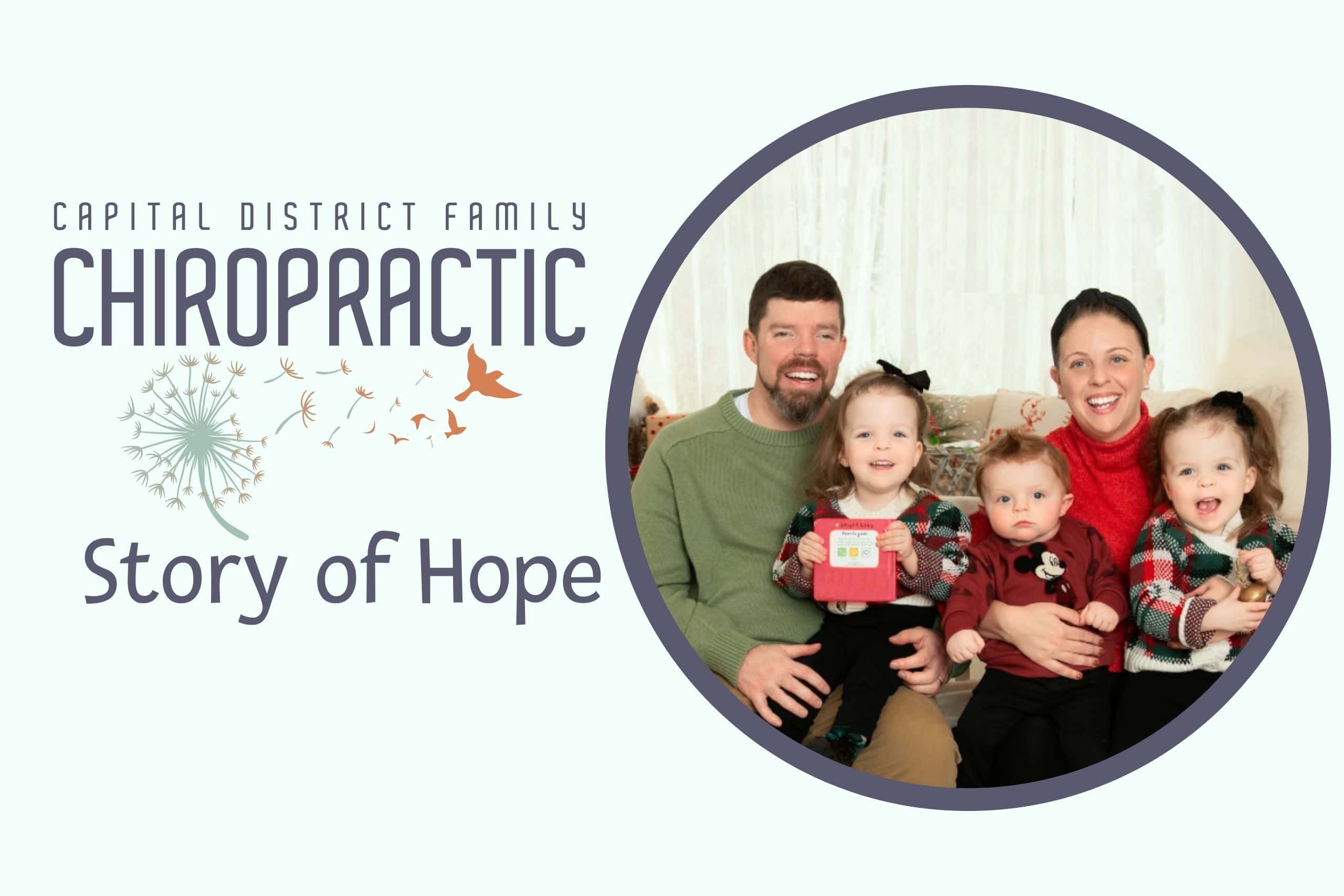
Ashley just wanted her daughter to be happy.
Maddie at the time was a preemie twin born at 32 weeks, and spent 50 days in the NICU. From the start, there were challenges — speech and motor delays, emotional outbursts, even severe reflux that once required a heart monitor.
“As a parent, all you want is to see your child smile, feel calm, and enjoy life,” Ashley said. “I didn’t know what else to try, but I knew we had to find something to help her regulate, to help her grow.”
That’s when she found neurologically-focused chiropractic care.
Over the next few weeks, Maddie’s world started to change:
Her language blossomed — more words, more confidence.
✨Her severe reflux completely resolved.
✨She began pausing before big emotions, taking deep breaths, and
calmly communicating with her siblings.
✨Even her teachers and therapists noticed: more vocalization, more growth, more endurance.
Today, Maddie is calmer, happier, and thriving — and her family has hope for her future.
“This might feel untraditional,” Ashley says, “but go in with an open mind. Sometimes it takes many different things working together to help your child develop and grow. Give it a shot — it just might change everything.”
Clinical Information:
A three-year-old girl (Maddie), came into our chiropractic office with a unique and heartfelt story. Her parents had faced significant fertility challenges and endured a stressful labor, which made her arrival all the more meaningful. As she grew, however, they began to notice multiple developmental delays and challenges, including missed milestones like responding to sounds, lifting her head, vocal development, reflux, and delays in crawling and walking. Since beginning neurologically focused chiropractic care, meaningful changes have begun to take place in her overall development. Most notably, her reflux has resolved, and there has been a significant improvement in emotional regulation, with fewer and less intense tantrums and meltdowns. These early changes offer hope by addressing the root cause of neurological dysfunction and continued motivation as we support her nervous system and developmental journey.